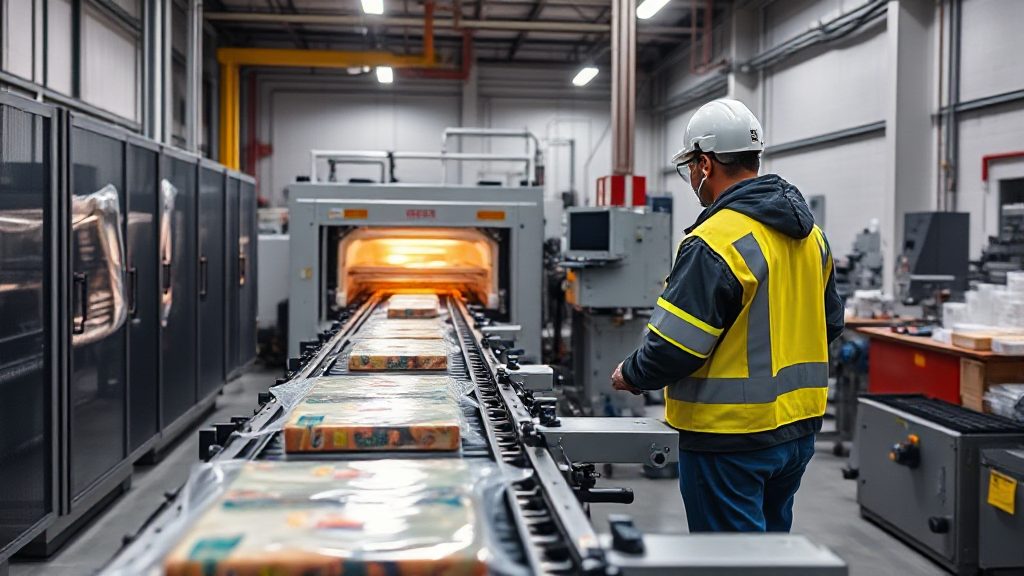
Shrink Wrapping Machine Purchases: Managing the Risks After the Order
The purchase order is not the finish line of a packaging equipment decision; it is the starting point of your risk exposure. A shrink tunnel Machine can run beautifully on the demo floor and still create costly downtime weeks after installation if the commercial terms behind it are thin. As a purchasing manager, your job is to protect the investment long before the first pallet of film arrives.
This article names the risks that surface after the order is signed, explains how each one hits production and budget, and gives you the contract language and service terms that mitigate them. It is written for industrial buyers in India and elsewhere who are upgrading a packaging line and want the machine to earn its cost, not become a maintenance liability.
Risk One: The Warranty That Covers Less Than You Assume
Most buyers check the warranty period and stop there. The expensive detail is what sits outside it. Wear parts such as heater elements, conveyor belts, silicone sleeves and thermocouples are frequently excluded, and those are exactly the components that fail first on a tunnel running two shifts a day.
Ask for the warranty in writing with a clear parts list. Confirm whether coverage includes labour, travel for the service engineer, and the heating chamber itself. A warranty that replaces a part but charges for the visit still leaves you paying for every breakdown.
What to negotiate before signing
- A written schedule that separates covered components from consumables.
- Response time commitments, not just a warranty duration.
- Coverage that starts on commissioning, not on dispatch from the factory.
Warranty start date on commissioning protects you from machines that sit in transit or storage.
Risk Two: Spares Availability and the Hidden Cost of Waiting
A tunnel is a simple machine, but it is not a generic one. Heater banks, blower motors, variable-frequency drives and conveyor assemblies differ by model and by manufacturer. If your supplier cannot supply a spare within days, your line stops and your dispatch commitments slip.
Before you release the payment, ask for the recommended spares list and the lead time for each item. A serious manufacturer will have a defined critical spares kit and can tell you which parts they hold in stock. If the answer is vague, treat that as a warning about the years ahead.
The same logic applies across the whole line. If you are also buying a Shrink wrapping machine and sealing equipment from the same source, ask whether spares are shared across models and whether the supplier keeps a service history for your unit.
Questions that expose weak spares support
- Which parts are stocked locally and which are imported on request?
- What is the typical dispatch time for a heater element and a drive?
- Can you supply a schematic and a wiring diagram with the machine?
Lead time for critical spares is a better predictor of uptime than the purchase price.
Risk Three: Installation, Training and the Handover Gap
Many disputes begin at commissioning. The machine arrives, the operator is shown a few buttons, and the supplier leaves. Weeks later, film waste climbs, seals look inconsistent, and nobody on the floor knows which parameter to adjust. The equipment is fine; the handover was not.
Insist on a documented commissioning report that records tunnel temperature settings, conveyor speed, film type and seal quality against a sample. Ask for operator training with a written checklist and a named contact for technical questions. This is especially important with an Automatic Shrink Wrapping machine, where sensor positions and programme settings affect throughput and reject rates.
Build a short acceptance test into the contract. Define the products you will run, the film you will use, and the output you expect per minute. If the machine does not meet that test, you want a remedy clause, not a conversation.
Risk Four: Service Response and Downtime Exposure
Downtime is the largest hidden cost in any packaging purchase. A tunnel that stops for a day can hold up finished goods, delay dispatch and force overtime elsewhere. The service agreement therefore matters as much as the machine specification.
Define what counts as a breakdown, how quickly a remote diagnosis must happen, and when an engineer must be on site. For buyers outside the supplier’s home region, ask who attends the call and whether a local technician is trained on the model. Get the escalation path in writing, including a named service manager.
Service terms worth insisting on
- A response window for phone and remote support during production hours.
- An on-site attendance commitment with a defined clock, not a best-effort phrase.
- Annual maintenance visits with a written report on heater condition, belt tension and drive health.
Downtime clauses turn a service promise into a measurable obligation.
Risk Five: Specification Drift and Film Compatibility
A tunnel is only as good as the film it runs and the product it carries. Buyers sometimes discover after delivery that the machine’s chamber size, conveyor width or heat profile does not suit their actual pack. The result is slow speeds, loose wraps or burnt film edges.
Send physical samples to the supplier before the order is confirmed. Ask them to run your product with your preferred film and share the settings and the output rate. Confirm the film types the tunnel supports, the maximum pack height, and the belt loading limit.
This step also protects you on consumables. If your film supplier changes gauge or resin, you need to know how the tunnel will respond and who will help you re-tune it. Write that support into the agreement.
Risk Six: Payment Terms, Documentation and Exit Options
Payment structure is a risk tool. A large advance with no milestone protection leaves you exposed if delivery slips or the specification changes. Link payments to verifiable events: order confirmation, factory acceptance, dispatch, commissioning and acceptance testing.
Collect the documentation package as part of the deal: operation manual, maintenance schedule, spare parts list with part numbers, electrical drawings and compliance certificates. These documents are what your maintenance team will rely on years later, when the original sales contact has moved on.
Finally, agree on what happens if the machine underperforms. A clear remedy path, whether rework, replacement of a component or a service credit, is far more useful than a verbal assurance. A manufacturer with a long track record in packaging machinery will usually welcome this clarity, because it separates serious buyers from price-only enquiries.
Negotiation Checklist for the Purchasing Manager
Use this list before you sign. Each item closes a specific post-order risk rather than adding paperwork for its own sake.
| Risk area | What to secure |
|---|---|
| Warranty | Written coverage list, exclusions, start date on commissioning, labour and travel included |
| Spares | Critical spares kit, lead times, local stock confirmation, part numbers |
| Commissioning | Acceptance test with your product and film, training checklist, named technical contact |
| Service | Response window, on-site attendance commitment, annual maintenance visits |
| Specification | Sample trial results, film compatibility, chamber and load limits |
| Commercial | Milestone payments, documentation package, remedy clause for underperformance |
A purchase order backed by these terms is a managed risk, not a hope. The machine you buy should be judged by how well it runs in year three, not how well it demoed in week one.
Frequently Asked Questions
How long should the warranty on a shrink tunnel last?
Twelve months from commissioning is common, but the duration matters less than the coverage. Confirm which parts are included, whether labour and travel are covered, and when the clock starts. A shorter warranty with full parts and labour cover is often worth more than a longer one with heavy exclusions.
What spares should I keep in stock?
At minimum, keep heater elements, thermocouples, silicone sleeves, conveyor belts and fuses for your model. Ask the manufacturer for a recommended critical spares list based on your shift pattern, and confirm lead times for items you choose not to stock.
Can I insist on an on-site acceptance test?
Yes, and you should. Define the products, film and expected output in the contract, then run the test at commissioning. Record the settings and keep a signed report. This protects both sides and gives your operators a reference point for future runs.
What if the supplier’s service engineer is far away?
Ask who attends breakdowns in your region and whether that technician is trained on your model. Get the response and attendance commitments in writing, and confirm whether remote diagnosis is available while you wait for a visit.